
What Not To Do // VPN Anonymity
If you do something heinous enough on the net, someone will want you badly enough that no VPN is going to stop them. Under enough pressure, even VPN providers will cooperate. A VPN is not a license to forget the difference between right and wrong — and a free one is often working against you.
You Will Pay for a Free VPN — Here’s How
Free VPNs still have to make money somehow. Instead of charging a small fee for a quality product, they monetize you indirectly — and their methods are often annoying, dishonest, semi-hidden from users, and sometimes outright dangerous. Know what you’re walking into before you sign up.
1. Compromising Your Security
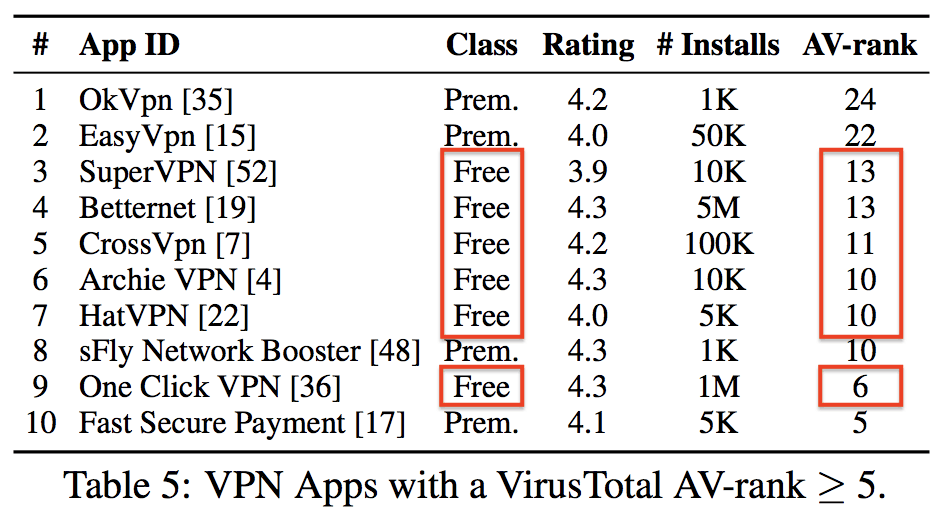
One of the primary jobs of a VPN is to protect you from attackers. So it’s alarming that some VPNs actually ship with malware — one of the biggest online security risks there is. A study of 283 VPNs found that many free providers were infected, including Betternet, SuperVPN, and CrossVPN. Most of that malware is advertising-related, which makes sense: free VPNs lean on ads for revenue, which is also why a VPN that caps your data is usually less dangerous than one that hands you an unlimited free product.
What the data shows
A study of 283 free VPN apps found most of them quietly working against the people relying on them.
2. Tracking Your Online Activity
This is maybe the worst offense a VPN can commit — and disturbingly, it’s the most common. You use a VPN to protect your privacy, so it’s bitterly ironic that the same study found 72% of free VPNs embedding third-party trackers in their software. Those trackers harvest your activity so advertisers can target you more precisely. Instead of giving you privacy, these VPNs do the exact opposite: they collect your information and sell it to the highest bidder.
Some hide it; others admit it in their own privacy policies. Psiphon’s policy states plainly that it uses advertising which relies on cookies and web beacons, and that its advertising partners serve ads based on your usage data. Hoxx’s policy goes further, acknowledging that the information you provide may be collected, processed, and used by them or by third parties. Notably, premium VPNs were found to carry fewer trackers than apps in general — so in most cases, paying for a VPN actually does buy you the privacy you came for.
3. They Can’t Unblock Netflix
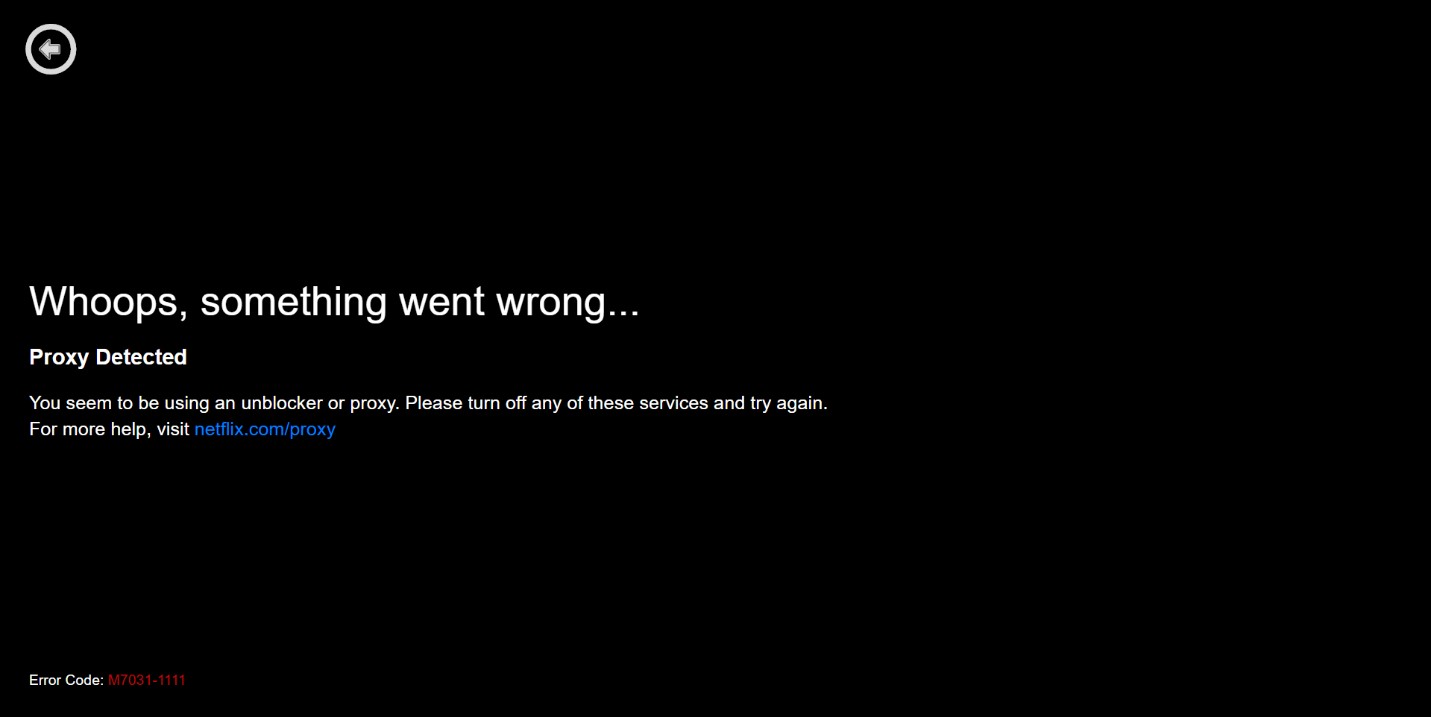
Right now there is no free VPN that reliably unblocks Netflix. Netflix — like every major streaming service — runs some of the toughest geoblocks on the planet, and even premium VPNs struggle to punch through them. You can occasionally get lucky with Tunnelbear, but more often than not you’ll hit an error screen. ProtonVPN can sometimes unblock Netflix on specific servers, but it deliberately throttles free users, so you’ll drown in buffering before you finish a single episode. Windscribe and Hotspot Shield offer Netflix access too — but only on paid plans. Bypassing those geoblocks takes serious resources, and no provider gives that away for free.
4. Limiting the Amount of Data You Can Use
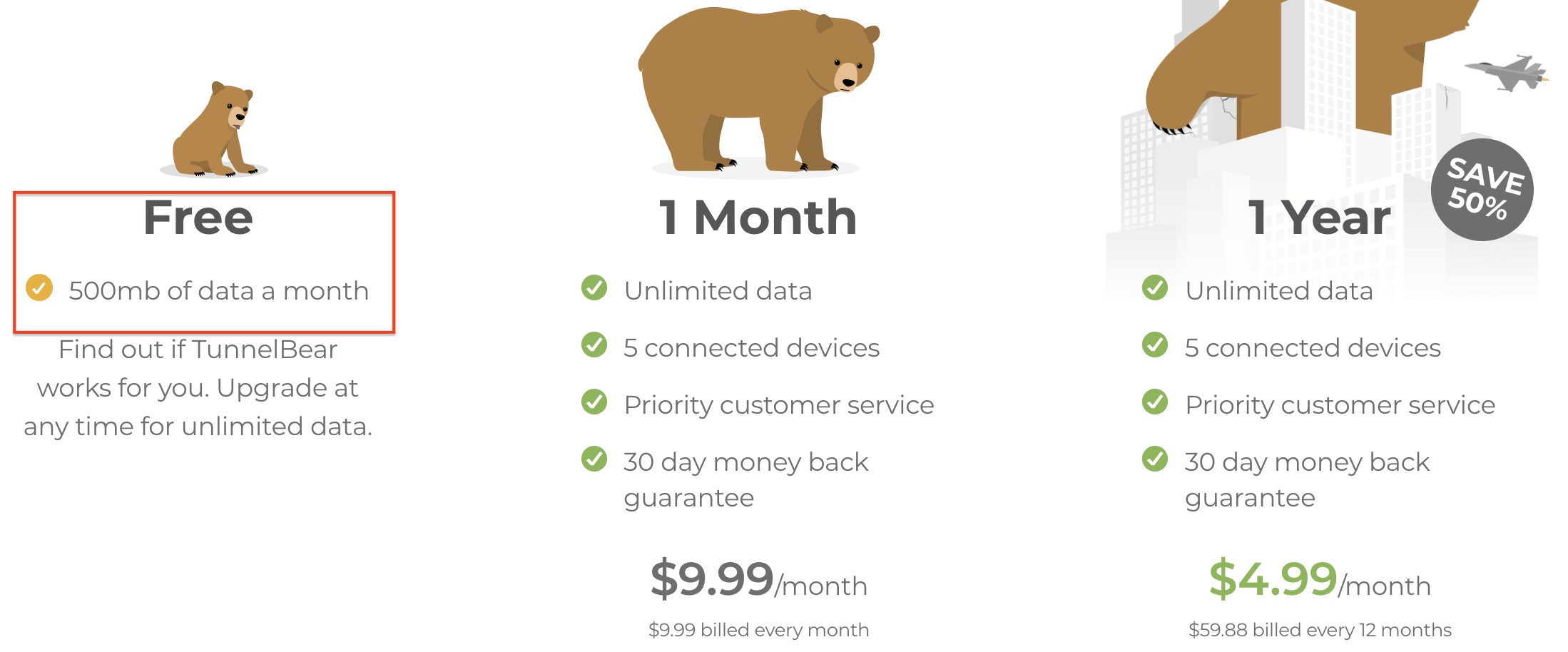
Many of the most popular free VPNs cap how much data you can use. It’s bait: hand you a taste, then push you toward a paid plan out of sheer frustration. Tunnelbear is the textbook example, limiting you to a measly 500 MB a month — not even enough to stream one movie.
5. Slowing Down Your Internet
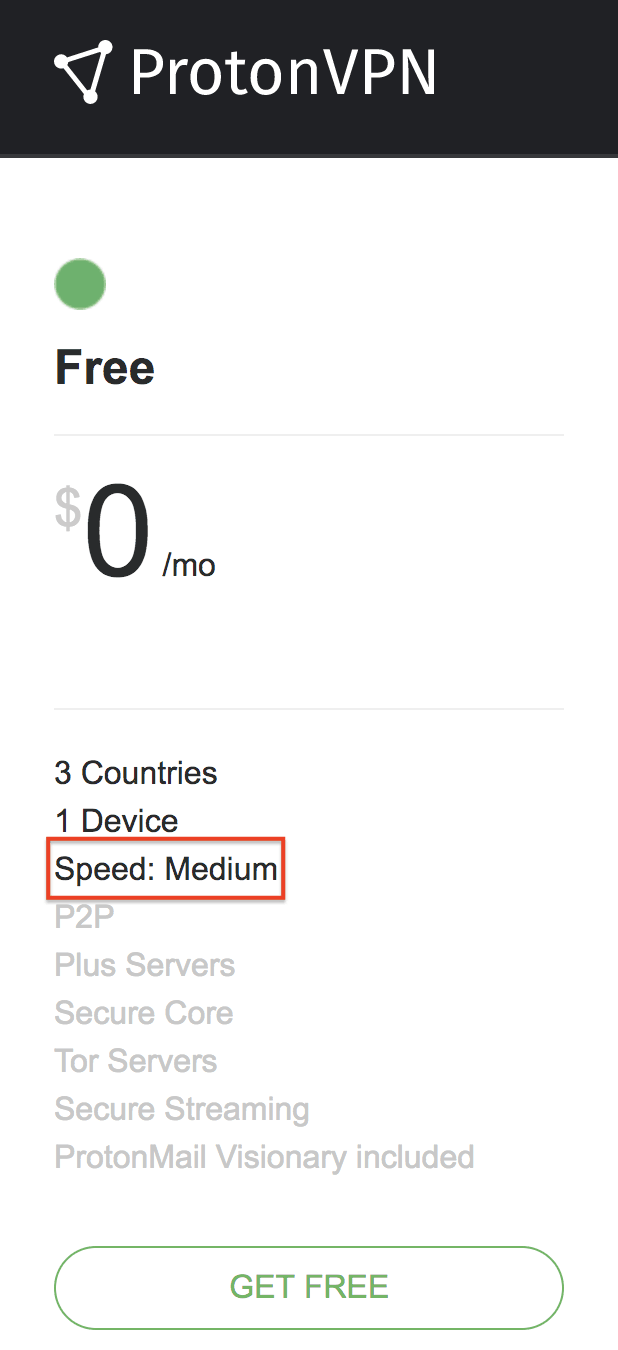
Poor-quality VPNs slow you down by accident. What’s worse is a VPN that slows you down on purpose. That’s ProtonVPN’s strategy: its security is excellent, but to nudge free users toward upgrading, it prioritizes paid subscribers and lets free traffic crawl. Free VPNs also drag your speeds down by serving ads and, in some cases, by selling your bandwidth out from under you.
6. Bombarding You with Ads
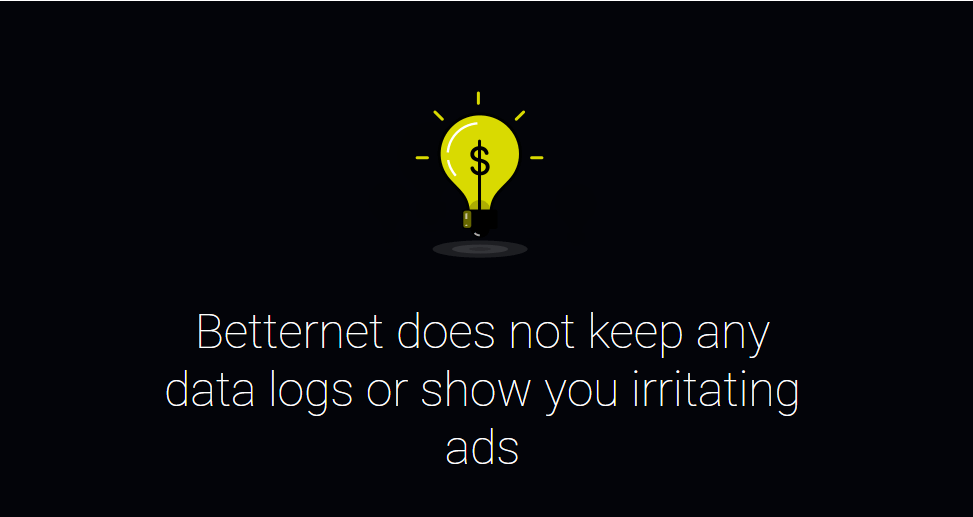
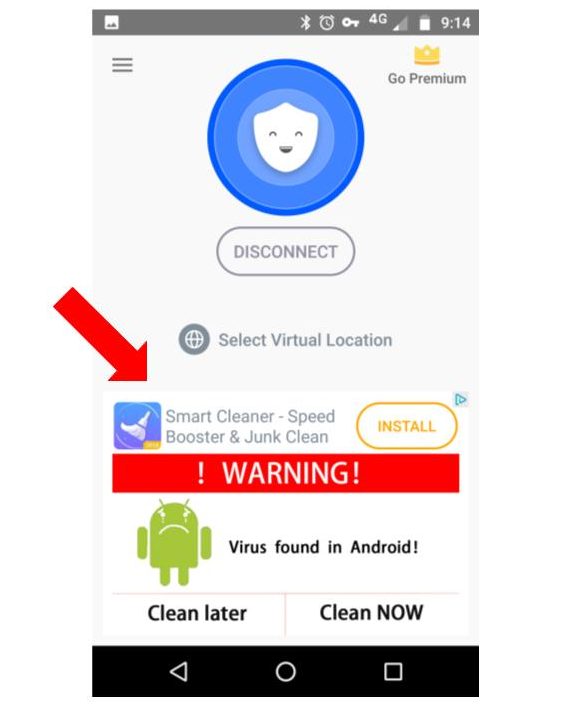
The logic is simple: with no monthly subscription coming in, free VPNs need another way to make money off you. Betternet runs exactly this model. It claims on its site that it doesn’t show annoying ads — but in reality, ads pop up every time you connect. Hotspot Shield’s free app is similarly riddled with them. Ads aren’t just irritating: they slow your connection, and they can carry malware. They also raise a privacy flag — if a VPN is showing you targeted ads, it’s probably sharing your activity with third parties to do it.
7. Selling Your Bandwidth
On top of ads, the VPN Hola found another way to cash in on free users: it lets paying customers borrow your device’s processing power — effectively selling your bandwidth for profit. Hola admits this on its site, spun positively: it says revenue from the commercial version of its service (sold through its Luminati brand) is what keeps Hola free for PC and Mac users, and that anyone who doesn’t want to contribute idle resources can pay roughly $5 a month or $45 a year to opt out.
What Hola doesn’t advertise is that Luminati has been used in at least one known botnet attack. A botnet infects a large pool of individual computers and chains them together to carry out an attack — meaning every machine in Hola’s network (all of them belonging to free users) was effectively handed to attackers. And it may not be a one-off: Hola doesn’t monitor how Luminati customers use its network, which makes it a near-perfect tool for criminals. Use Hola’s free service and you’re not just letting the company sell your device’s processing power — you’re potentially letting it be used for crime.
Bottom Line
A VPN is one layer, not a force field.
Treat it as part of a stack — never the whole defense — and never assume it makes you invisible. With free VPNs especially, if you’re not paying for the product, you usually are the product.
Leave a Reply