
You will pay for a free VPN — here is how. Free VPNs have to earn income from their users somehow. So instead of providing the highest standard possible and charging a small fee, they use you to make money indirectly. Their methods are often annoying, dishonest, semi-hidden from users, and sometimes dangerous. Before signing up to a free VPN, it pays to understand exactly what you are walking into.
01 / Compromising your security
One of the primary purposes of a VPN is to protect you from hackers. So it is alarming that some VPNs actually contain malware — one of the biggest online security risks there is. A study of 283 VPNs revealed that many free providers contain malware, including Betternet, SuperVPN, and CrossVPN. In fact, 38% of the apps showed signs of infection.
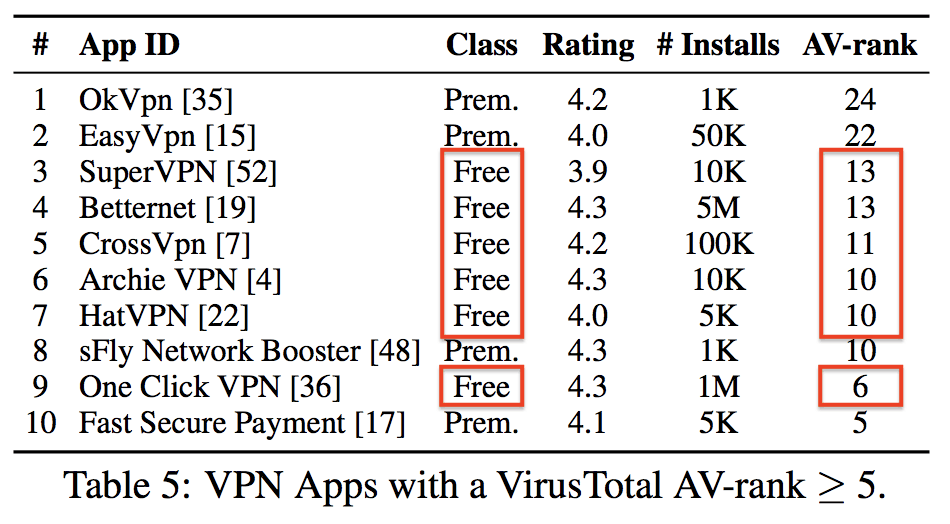
Most of that malware is tied to advertising, which makes sense — free VPNs rely on advertising for revenue. It is also why a VPN that limits your data is less likely to be dangerous than one that hands you an unlimited free product.
02 / Tracking your online activity
This is maybe the worst offence a VPN can make, and disturbingly it is the most common. A major reason you use a VPN is to protect your privacy while browsing, so it is startlingly ironic that the same study found 72% of free VPNs embed third-party trackers in their software. Only 28% were found to have zero trackers, which means 72% are quietly recording your online activity.
Those trackers gather data on your activity so advertisers can target you more precisely. Instead of providing privacy, these VPNs do the exact opposite — collecting your information and selling it to the highest bidder.
Some VPNs hide the fact that they sell your data. Others admit it outright in their own privacy policies. Psiphon explicitly states that it tracks your activity and allows advertisers access:
“We sometimes use advertisements to support our service, which may use technology such as cookies and web beacons. Our advertising partners’ use of cookies enable them and their partners to serve ads based on your usage data.”
And here is a line from Hoxx’s privacy policy:
“By using the Services, You acknowledge, consent and agree that we may collect, process, and use the information that you provide to us, and that such information shall only be used by us or third parties…”
Notably, premium VPNs were found to carry fewer trackers than apps in general — not just fewer than free VPNs. In most cases, when you pay for a premium VPN, you actually get the privacy you are looking for.
03 / They cannot unblock Netflix
Right now, no free VPN reliably unblocks Netflix. Netflix — like all the major streaming sites — uses some of the toughest geoblocks in the world. Even premium VPNs struggle to break through them, and only a few succeed.
Technically you can occasionally get through with TunnelBear, but it is far from guaranteed. More often than not, you will get hit with an error message.

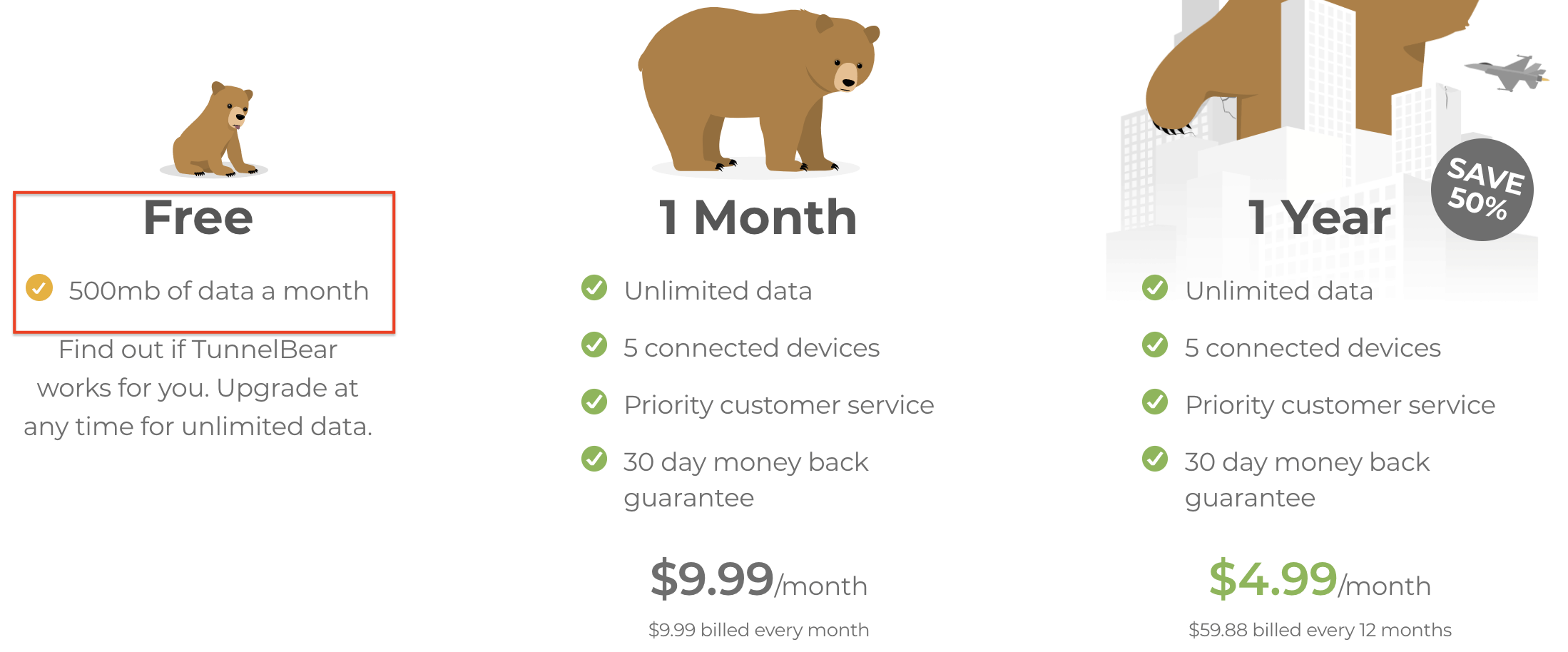
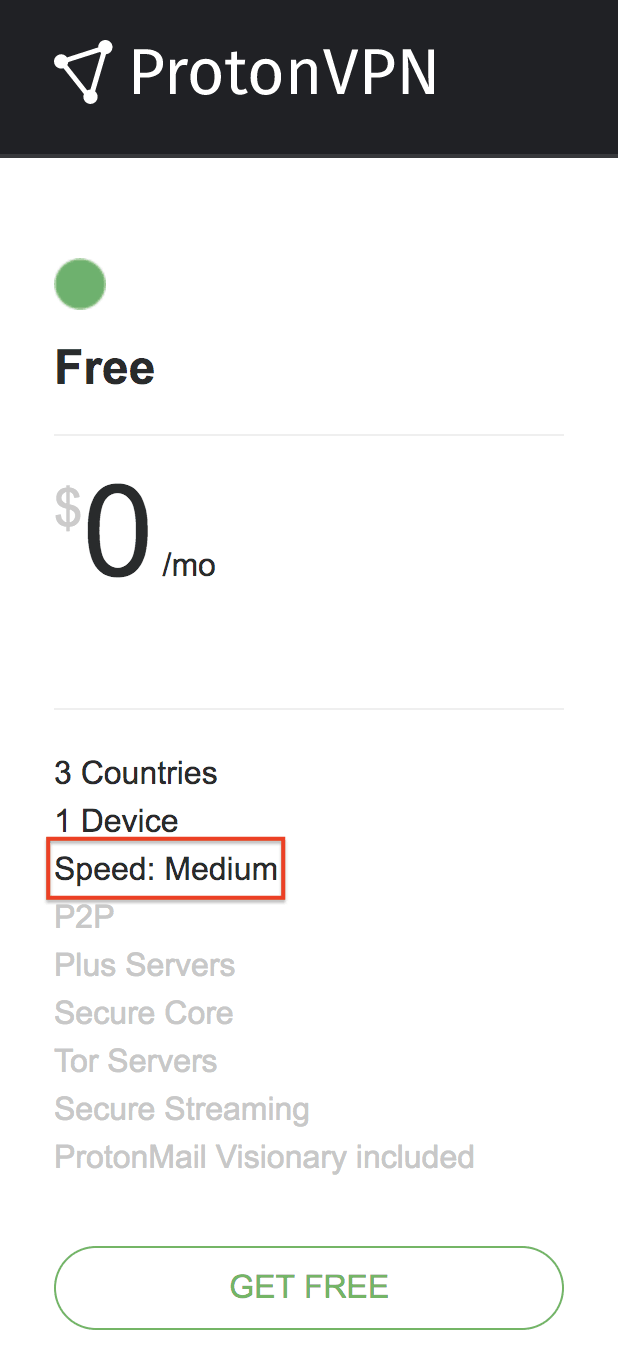
On top of that, TunnelBear’s free package is capped at 500 MB a month — not enough to get through even one movie. ProtonVPN can unblock Netflix on certain servers, but it deliberately slows your speed, so you will probably go crazy from the buffering before you finish a single episode. Windscribe and Hotspot Shield offer Netflix access too, but only on paid subscriptions.
The simple truth: bypassing Netflix geoblocks takes a huge amount of resources and dedication, and VPN providers are not going to give that away for free.
04 / Limiting the amount of data you can use
Some of the most popular free VPNs cap how much data you can use. They do it to entice you in, then push you into upgrading to a paid plan out of sheer frustration. A good example is TunnelBear, which limits monthly data to a measly 500 MB.
05 / Slowing down your internet
Slowdowns are a constant with poor-quality VPNs. But a VPN deliberately slowing you down is a special kind of frustrating — and that is exactly ProtonVPN’s strategy. The security is excellent, but it prioritizes free users below paid subscribers to nudge them toward upgrading, so free speeds often slow to a snail’s pace.
Free VPNs also drag your speeds down by displaying ads and by quietly selling your bandwidth.
06 / Bombarding you with ads
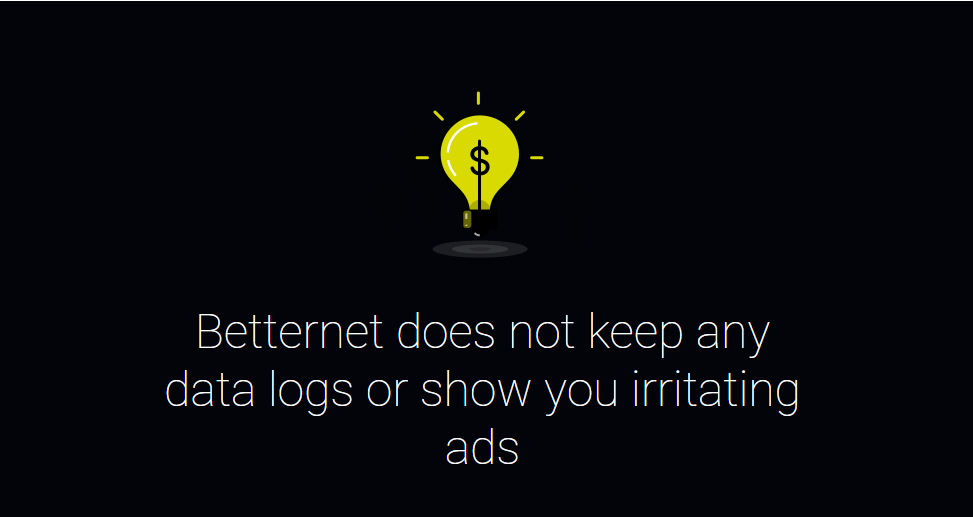
The logic is simple: since free users are not paying a monthly subscription, free VPNs need another way to make money off them. Betternet is one provider that leans on this model. It claims on its website that it does not show annoying ads — but in reality, ads pop up the moment you connect.
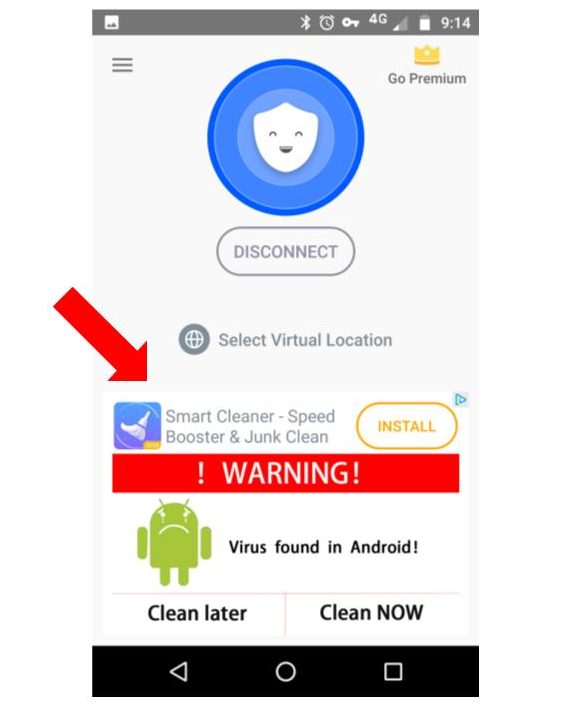
Hotspot Shield’s free app is similarly riddled with ads, a frequent complaint among our readers. And ads are not just annoying — they can slow your speeds or carry malware. If your VPN is showing ads, it is probably also sharing your online activity with third parties.
07 / Selling your bandwidth
On top of the ads, the VPN Hola found another way to monetize its free users: it lets paying customers borrow your device’s processing power — essentially selling your bandwidth for profit. Hola actually states this on its site, though it spins it far more positively:
“Hola generates revenue by selling a commercial version of the Hola VPN service to businesses (through our Luminati brand). This is what allows us to keep Hola free for our PC and Mac users…”
What it leaves out is that Luminati has been used in at least one known botnet attack. A botnet infects a large number of individual computers with malware and harnesses them together to carry out an attack. In other words, all the computers in Hola’s network — every machine belonging to its free users — were taken over by cyber-criminals.
Leave a Reply